What Weight Dumbbells Should You Use? A Beginner's Guide
Ever used the same dumbbells for squats and overhead presses and wondered why the presses felt so much harder? Test the weight on each exercise. Aim to finish your planned reps feeling like you could do about two more with the same control.
The right dumbbell weight lets you finish your planned reps with steady form and feel like you could do about two more. Test the weight on each exercise. The pair that feels right for a squat may be too heavy for an overhead press.
Use a practice set to find your starting weight
- Check the target reps. If your plan calls for 8–12 reps, use 8 as your starting point.
- Start with a light weight. Rehearse the movement first, then do a practice set at a controlled pace.
- Check how the last rep feels. Ask yourself how many more reps you could do with the same range of motion and control. You can estimate without actually doing them.
- Adjust for the next set. If several extra reps feel easy, try the next available weight. If you struggle to finish the planned reps cleanly, go lighter.
| What you notice | What to do |
|---|---|
| You finish the set and could easily do several more reps. | Try a slightly heavier weight for your next set. |
| You finish with steady form and could do about two more reps. | Keep that weight for the exercise. |
| You swing the dumbbells, shorten the movement, or struggle to finish the reps. | Try a lighter weight. |
Choose the weight for each exercise
Try each movement on its own before committing to one weight for the whole session. Even exercises that use the same muscles can feel different depending on the position and range of motion.
| Exercise | What to watch for |
|---|---|
| Goblet squat | You can lower through a comfortable range and stand without losing your balance. |
| Dumbbell floor press | You can lower both dumbbells smoothly and press them back up evenly. |
| One-arm dumbbell row | You can pull the weight toward your ribs without twisting your torso. |
| Dumbbell overhead press | You can press overhead without leaning back to finish the rep. |
Use the exercise table in the full-body dumbbell workout at home to find rep targets and practice these movements.
What if you only have one pair of dumbbells?
If the pair feels too heavy for an exercise, use fewer reps if you can still move with control, or rehearse the movement without weights. If the pair feels light, try adding reps within the workout’s range or slowing the lowering phase. You may eventually want a lighter pair for pressing and a heavier pair for squats or hinges.
If you’re shopping for your first pair, test it on the exercises you expect to do most often. Adjustable dumbbells give you several weight options in the same footprint, which can help if you train in a small space.
When should you increase dumbbell weight?
If your plan calls for 8–12 reps, work toward 12 on every set with the same form and control. Once you can do that and still feel like you have about two reps left, try the next available weight. Start at the low end of the rep range again. If the jump feels too big to complete the minimum reps cleanly, return to the previous weight.
Dumbbell weight FAQs
What dumbbell weight should a beginner start with?
Start with a weight you can move comfortably for the planned reps. Test it with a practice set. If you’re choosing between two weights and both are new to you, start with the lighter one.
Is dumbbell weight listed per hand or for the pair?
Use the weight on each dumbbell when you log the exercise. If you press two 15 lb dumbbells, that’s 15 lb per hand and 30 lb total. When shopping, check whether the product listing describes the weight of one dumbbell or the combined weight of the set.
Should I use the same weight for every set?
You can use the same weight while you’re hitting your target reps with steady form. If fatigue makes the later sets harder, take a little more rest or use a lighter weight for those sets.
Track your weights with Dumbly
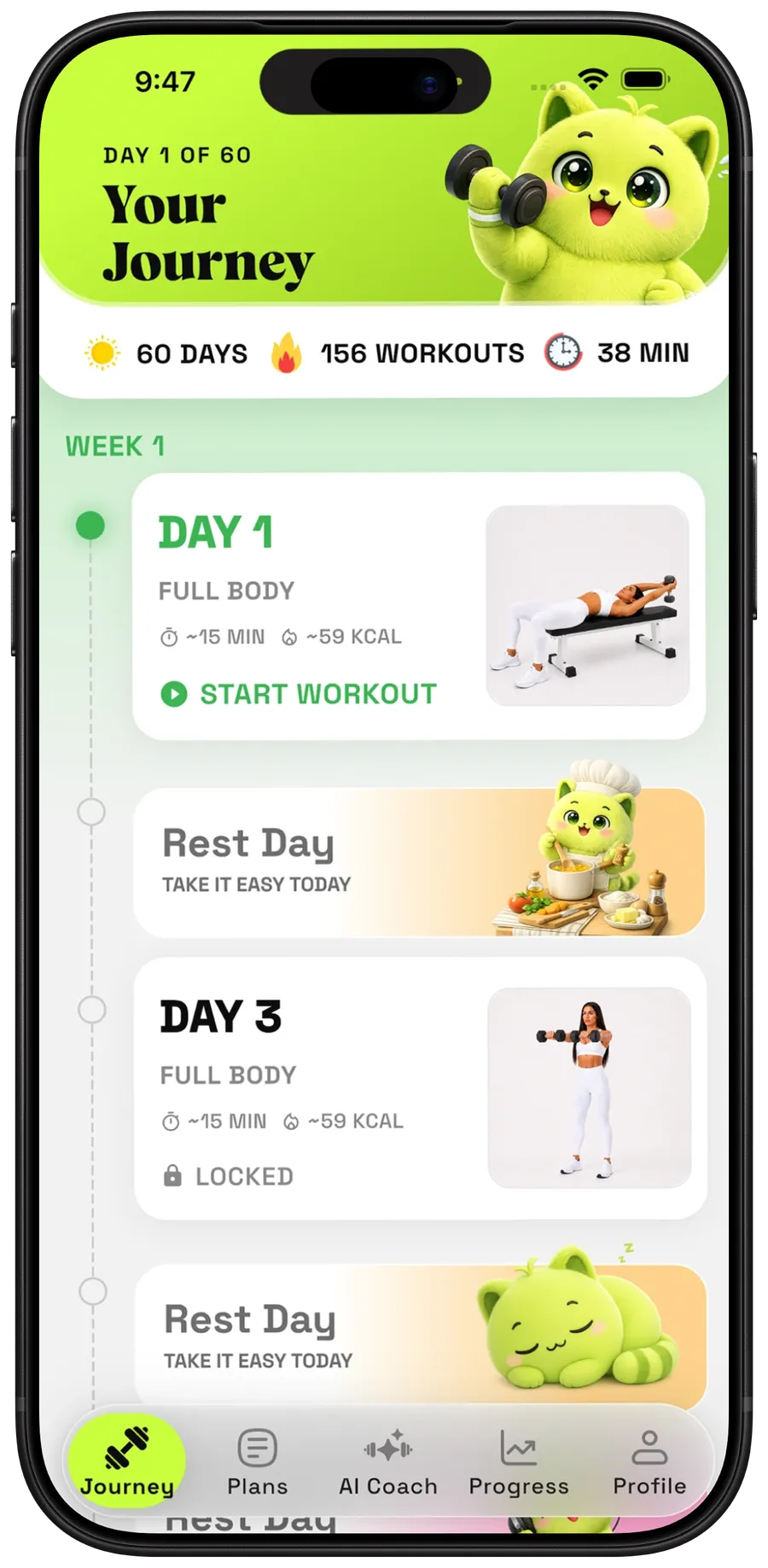
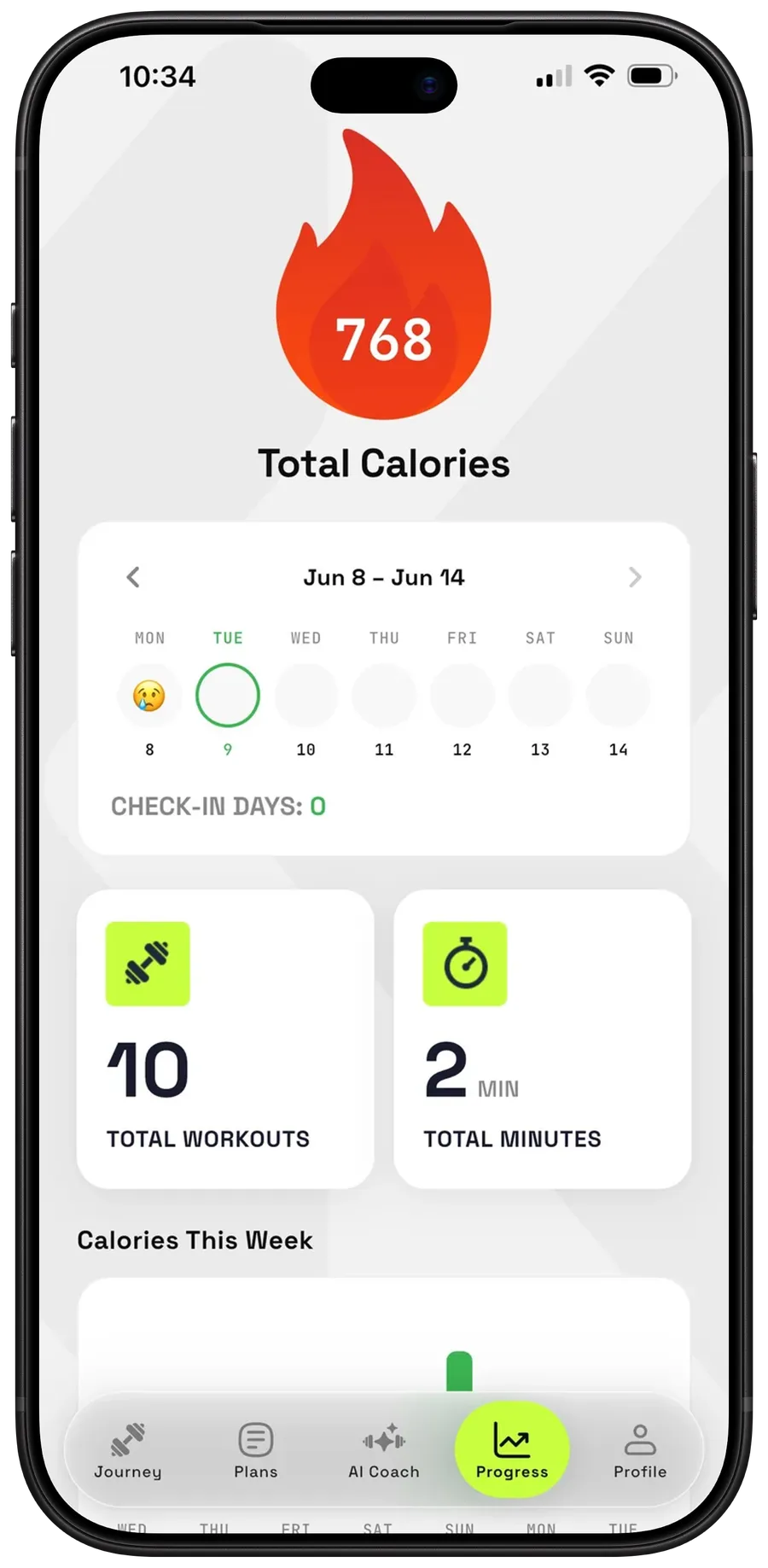
Dumbly shows you how to perform each movement and lets you log your weights and reps, so you can see what you used last time and decide whether to go heavier.
Download Dumbly for iPhone and iPad
A note on safety: this article is general fitness information, not medical advice. If you have an injury or a medical condition, are pregnant, or haven't exercised in a long time, speak to a doctor or a qualified professional before starting a new program. Stop any exercise that causes pain.